













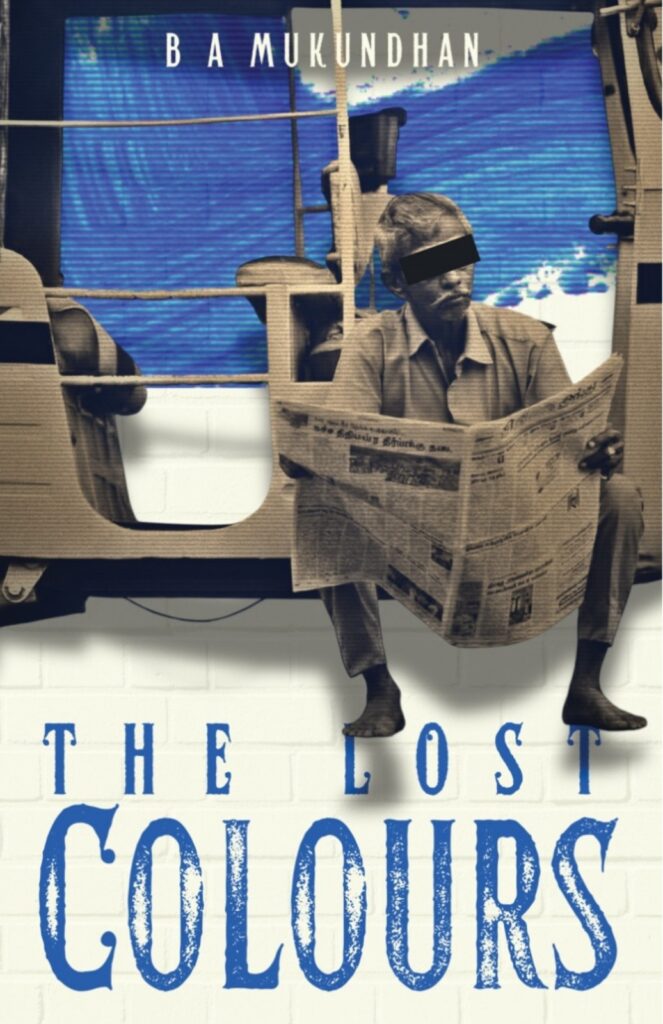
Some stories are written from imagination, while others are born from emotions too heavy to hold inside. The Lost Colours feels like the latter a deeply introspective novel that quietly explores loneliness, suppressed dreams, vulnerability, and the unexpected human connections that can change us forever.
What begins as a seemingly tense premise a stranded man, a stormy night, and a suspicious auto ride slowly transforms into something far more personal and emotional. In this conversation, the author opens up about the fears, emotions, and personal experiences that shaped the book, while also reflecting on passion, societal expectations, and the courage it takes to confront yourself.
Through Arun and Mani’s journey, The Lost Colours reminds readers that sometimes the smallest moments carry the deepest meaning and that occasionally, falling apart is the first step toward feeling alive again.
1. What inspired the story of The Lost Colours, and how did the idea of two completely different strangers sharing one transformative night come to you?
Well, the story was initially supposed to be a thriller. A man gets stranded under heavy rain after overworking in his office. And the only way back home is to get into a shady auto with a suspicious-looking driver. What happens in that ride is the core plot of the book. But I was in a low point in my life, and I didn’t have anyone to console me because I didn’t feel like talking about it to anyone. So I shut off those thoughts and started writing the book. But as I wrote the words, I think my thoughts somehow started flowing through the paper. Because I realized that it was me, consoling myself through this story. What was supposed to be a thriller, turned out to be a story that could give me hope and show me light when all seems dark. That’s how this story came to existence.
“It’s fascinating how a story can evolve alongside the emotions of the writer. “
2. The novel feels deeply psychological yet emotionally intimate. What drew you toward exploring loneliness and self-confrontation in this way?
I never had anything in mind, honestly. I just wrote the words from my heart, and it has turned out in this way. I’ve always been fascinated by how someone can be surrounded by a lot of people but still feel totally alone. It wasn’t until I experienced it that I finally understood the pain. Arun literally locked his passion for art in a wardrobe for 20 years. Exploring that self-confrontation was intense, but I wanted to write about the raw, messy reality of a guy finally looking at the void he’s spent two decades ignoring.
“Arun’s journey feels less like fiction and more like an honest reflection of quiet struggles people rarely speak about.”
3. “Some rides take you home. This one takes you apart.” this line perfectly captures the soul of the book. What does it mean to you personally?
For Arun, “home” just meant going back to his empty, silent apartment and his depressing, safe routine. But this specific ride literally breaks down his carefully built fortress. It breaks him apart so he can finally start over and feel alive again. For me, it personally means that… Sometimes you have to fall apart to rebuild yourself.
“That idea of destruction leading to rebirth gives the story such emotional depth. It’s a reminder that transformation is often uncomfortable, but necessary for growth.”
4. Arun has spent years hiding behind silence. Do you think many people unknowingly build emotional walls like his?
Oh, 100%. Arun’s whole morning routine is literally a system designed to prevent thoughts. He uses being “busy” at work as a shield so he doesn’t have to connect with anyone, not even his own sister on the phone. I think a lot of us do that, especially young people. We get so pressured into taking the “safe road” and building a “foundation” that we forget to actually live our lives.
” Arun’s silence feels symbolic of an entire generation trying to survive while quietly losing parts of themselves.”
5. The story explores vulnerability between strangers. Why do you think people sometimes open up more easily to those they barely know?
It’s confusing for me as well, but I think it’s because there are zero expectations. When Arun tells Mani about his past as a painter, he fully expects judgment or an awkward silence. But Mani just listens with this quiet, patient understanding. Mani doesn’t know the banker version of Arun, so Arun didn’t have to pretend to have it all together. He could just drop the mask.
“There’s something beautifully freeing about being seen without preconceived labels. “
6. What was the most emotionally difficult scene or conversation for you to write in the book?
Arun’s initial stages. The part where I establish the fact that he dropped his passion for art and became a banker for a secure future scares me. Because I myself am afraid of that happening to me. I want to pursue my passion, but here I am studying engineering for a goddamn secure future. I’m ready to take the risk and leap. But the people around me are hesitant to let me go. My deepest fear is me sacrificing my passion and the thing I love for a mere guarantee of a secure job.
“That fear feels painfully real and deeply personal. “
7. After Shadows of Eldoria, what made you shift toward a quieter, more introspective story like The Lost Colours?
Actually, my first book was written in a week, and it was edited and published within a month. I just speedran a basic plot and a fantasy world into a book so that I could establish myself as a young writer before I turned 18. But my niche lies in dark genres like dark humor, thriller, suspense, etcetera. I myself was surprised when I completed The Lost Colours because I never knew I could write such a piece. But I doubt I could have written this if it weren’t for the bottled up emotions that I got to release through it.
” It’s interesting how this book seems less like a planned transition and more like an emotional necessity that naturally found its voice.”
8. If this book could leave readers with one realization about themselves, what would you want it to be?
I really want people to remember Mani’s idea of the “account of light.” We get so attached to chasing big goals, but Mani teaches that happiness is really about collecting the smallest of things… like the smell of jasmine or sharing a hot glass of tea in the rain. I want the readers to realize that they don’t have to wait for a big success to be happy.
“That philosophy gives the story such warmth and quiet wisdom. “
9. Who do you think will connect most deeply with this story?
To be honest, I would have the deepest connection (lol). But I think anyone who feels stuck in a cage will get it. Maybe students who are being pushed into “safe” careers they hate, or adults who packed away their true passions. If you’ve ever felt like you’re just watching life go by like a spectator instead of living it, this story is definitely for you.
“That feeling of being trapped between expectations and passion is something many people silently carry.”
10. How has your experience been bringing The Lost Colours to readers with Paper Towns, and what has this journey meant to you as an author?
Working with Paper Towns has been a good run. Being 18 and putting your work out there is tough, but they believed in this story. It’s been a wild journey. To hold a book that started as just a random idea in my head about a lonely banker and a scary looking auto driver… it’s just a dream come true.
“There’s something inspiring about seeing such a personal idea grow into a published work that now belongs to readers as much as the writer himself. It’s a testament to the courage it takes to turn vulnerability into art.”
The Lost Colours is more than just a story about one unforgettable night it’s a reflection on loneliness, buried passions, emotional survival, and the quiet hope that can emerge from unexpected places. Through Arun and Mani, the novel explores what happens when someone is finally forced to confront the life they’ve been avoiding and the person they’ve slowly stopped becoming.
What makes the book especially compelling is its honesty. Beneath the psychological undertones and emotional conversations lies a deeply personal narrative about fear, ambition, and the struggle between security and passion. For readers who have ever felt stuck, emotionally disconnected, or trapped inside expectations they never chose, this story may feel less like fiction and more like a mirror.
In the end, The Lost Colours leaves behind a simple but powerful reminder: happiness doesn’t always arrive through grand achievements. Sometimes, it lives quietly in fleeting moments, shared conversations, rain-soaked nights, and the courage to finally let yourself feel again.
Explore this roller-coaster ride and grab your copies now.