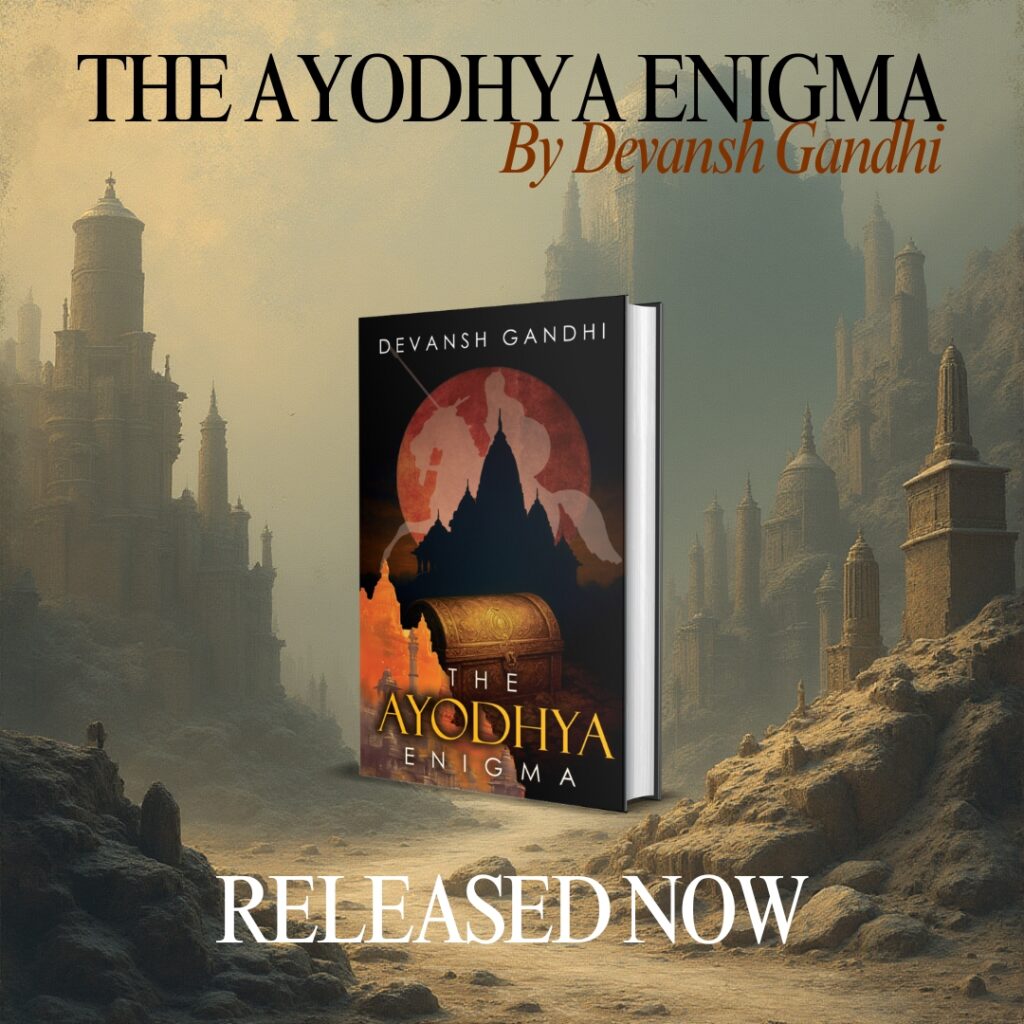



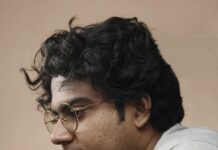










Some stories are born out of imagination, while others rise from centuries of belief, sacrifice, and unanswered questions. The Ayodhya Enigma stands at that intersection, where history meets mythology, and faith finds a fictional voice. In this candid conversation, the author opens up about the inspiration behind the book, the challenges of writing mythological fiction, and the responsibility that comes with retelling stories rooted in cultural memory. What follows is not just an interview, but a dialogue that gently peels back the layers of thought, research, and emotion behind the narrative.
“Hi Devansh, we are glad to have you answer our questions today. Thank you for taking the time. Without any further delay, lets talk about your book.”
1. The book revolves around a very recent event, a glory celebrated by the entire nation. Where did the idea for a mythological fiction strike in your mind?
“Hi, thank you for having me. The book may seem connected to a very recent event, but in truth, it’s rooted deeply in history. What the world celebrated today isn’t the outcome of a few months or years; it’s the culmination of nearly five centuries of struggle. We were simply fortunate to witness such a defining moment in our lifetime.
As for the idea, writers of this genre often transform historical moments into mythological fiction, and that creative instinct guided me as well. I kept wondering, what if this event we are witnessing is more than what meets the eye? What if a divine force is choosing to be a part of it? That thought stayed with me, and that’s when the idea of turning my imagination into a story truly struck.”
“That sense of witnessing history while simultaneously questioning its deeper, its beautiful.”
2. Since this book is deeply rooted in Hindu folklore, what took you more time—the research or the execution?
“Honestly, both research and execution demanded equal effort. I began with just a vague idea, but to translate it into a proper narrative, I needed solid research. Once I gathered enough material, the real challenge became penning down the thoughts: deciding the flow of the story, where it begins, how it journeys, and where it ends. Every phase required careful attention, and every piece of the story carried immense importance.”
“I have read it and that balance clearly reflects in your book”
3. How long did you take to finish the entire script, from the characterisation to the climax?
“It took me a few months in total. Being a debut author, the entire journey was a learning experience: building characters, pacing the narrative, and tightening the plot. I still remember rewriting the initial chapters several times until they finally felt right. Once the story found its rhythm, the writing became smoother, but even then, shaping the ending took time because I wanted the emotional arc to feel complete.”
“It’s refreshing to hear how much care went into letting the story find its own rhythm.”
4. Keeping in mind that this deals with the Hindu history dating back to the Treta Yuga, which was millions of years ago, did you have to take particular consideration of the facts and language?
“Absolutely. Writing about such an ancient era requires both sensitivity and awareness. I had to make sure the tone remained respectful, timeless, and rooted in our epics without making it sound overly traditional or outdated. It was always a balance between authenticity and readability, ensuring the language stayed accessible while the emotions remained true to the time I was writing about.”
“Yeah, that balance is crucial, especially when the audience spans generations.”
5. Following up on the previous question, have you strictly adhered to our history or taken creative liberties?
“It’s a blend of both. As a fiction writer, I’ve taken creative liberty where needed to bring in emotion, suspense, and a fresh perspective. But that’s limited to the core storyline. Many of the tales and anecdotes mentioned along the way are written the way they are believed to have happened during that era. The foundation stays true; the imagination builds around it.”
“Great”
6. Will this book be a standalone, or do you plan on making this a series of secrets buried in our cultural history?
“For now, it’s a standalone. However, I intentionally kept the ending open, and I’ve already begun early-stage research for the next part. If readers connect with The Ayodhya Enigma, I would genuinely love to continue the journey and bring out the next installment.”
“So let’s say, it’s never truly ending, only continuing in different forms.”
7. Do you have any movie or book recommendations for readers who want to explore more in this genre? Do you have a personal favourite?
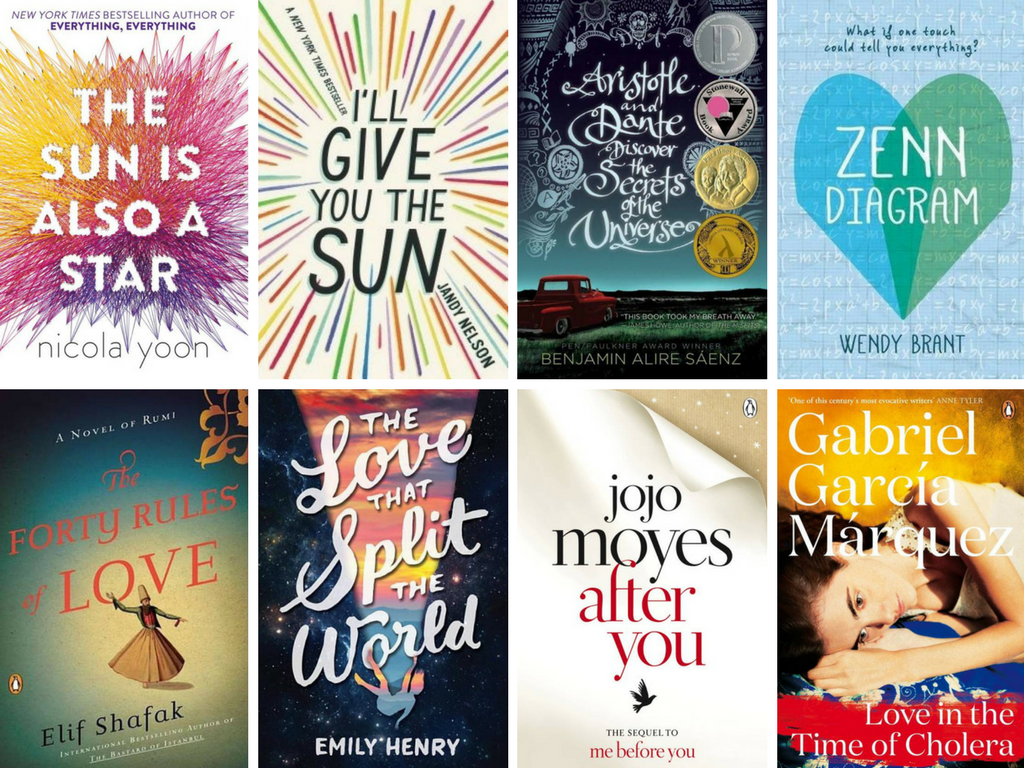
“There are numerous books in the mythological and historical fiction space, including The Hidden Hindu Trilogy, The Harappa Trilogy, Mrityunjay–Maha Asura Series, The Naga Warriors, The Descendants Trilogy and many more.
As for movies and series, I would always recommend Ramanand Sagar’s Ramayan and BR Chopra’s Mahabharat. These two have been personal favourites, and they are a major reason I developed such a deep interest in our mythology and history.”
“Wow, these classics have shaped generations”
8. How did you find yourself emerging in the world of writing? Were you always a reader?
“Yes, I’ve always been a reader. But while reading, I often felt that if the writer had shaped certain scenes differently or added something more, the impact could have been even stronger. Those small observations slowly nurtured my imagination and helped me gradually strengthen my own creativity.
I used to read the books aloud to my father, and one day he casually said that I should write a book of my own someday. I never imagined those words would turn real.
The urge to write came unexpectedly. One page led to another, and slowly, what began as a thought took the form of a complete manuscript.”
“Sometimes, the most life-altering encouragement comes in the simplest, most casual sentences.”
9. Do you have a suggestion for our budding writers who struggle to pen down their first book?
“Before writing, it’s important to read, especially in the genre you want to write in. Read as much as you can. It helps you understand how stories are framed, what kind of flow works, and how a book is structured. It gives you a perspective when you finally sit down to write.
When you begin, start small. You don’t need to finish a chapter in one go. Write a paragraph, then another, and let the story unfold at its own pace. If a thought strikes you, even if it feels irrelevant, note it down somewhere. It may turn out to be useful later.
And most importantly, write from a reader’s perspective. Ask yourself how you would have felt reading this book if someone else had written it.”
“Great advice it’s Practical, honest, and reassuring”
10. For the young readers, can you enlighten us on what the publishing process is like? What should they keep in mind before stepping into the world?
“The publishing process requires patience and coordination. Completing the manuscript is actually just one part of the journey. The real process begins afterwards: pitching to publishers, editing, designing, marketing, and continuous communication.
It’s time-consuming, and you must stay open to feedback because it only strengthens your book. Once you start, don’t pause midway. Stay persistent, keep learning, and the results will eventually unfold.”
“A realistic yet hopeful outlook—something every aspiring author needs to hear early on.”
The Ayodhya Enigma is more than a mythological fiction; it is a reflection of belief, patience, and the stories that quietly live beneath history’s surface. Through this conversation, it becomes clear that the book is driven not just by imagination, but by respect—for culture, for time, and for the readers who approach such narratives with faith and curiosity. As the author hints at journeys yet to come, one thing is certain: some enigmas are meant to be explored, not solved.
Buy your copy now
Available on Amazon
Available on FlipKart
Follow authors journey on his socials-
Instagram